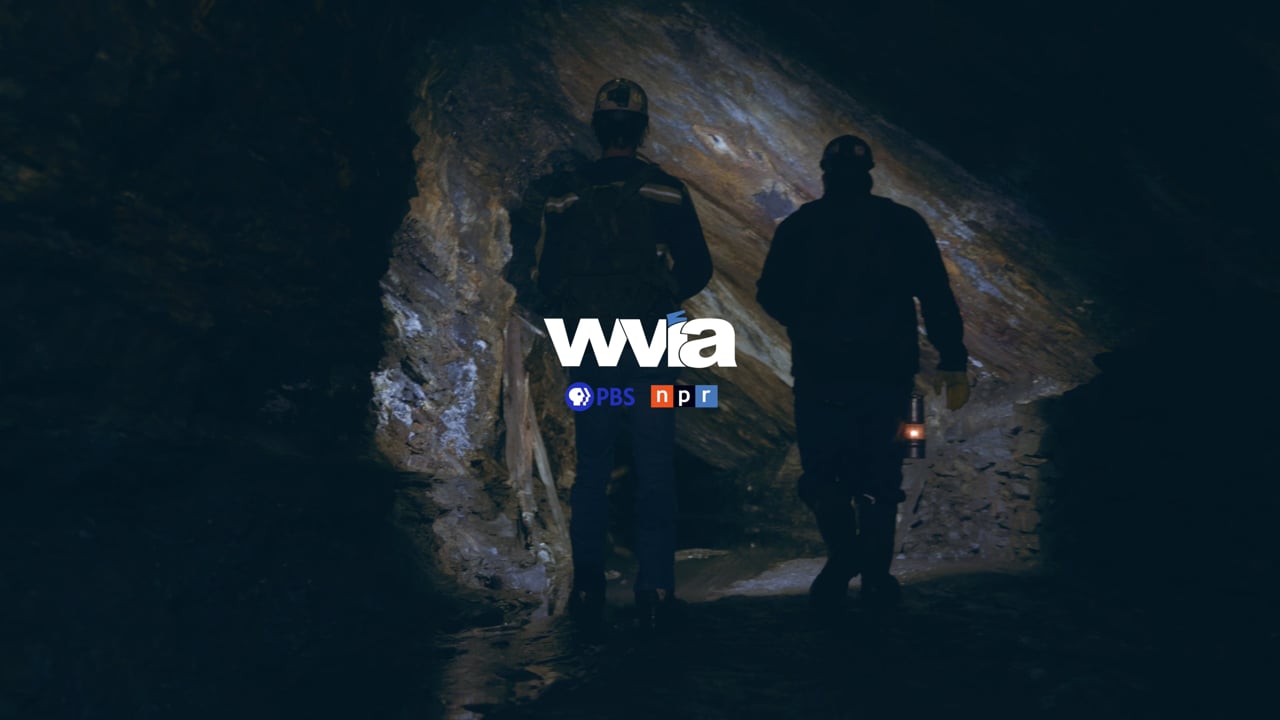
A miner in an underground tunnel, from The Secrets Beneath Hazleton

My approach to storytelling

A good story tells you what happened. A great story changes how you see it.

Why I tell stories

Not a formula. A way of looking.

I’ve spent years trying to understand what makes a story work. Not just what makes someone click on a video, but what keeps them watching, makes them care, and hopefully leaves them thinking about it long after it’s over.

I don’t think there’s one perfect formula for storytelling. If there were, somebody would have figured it out by now, and I’d have a lot more free time.

But over the years, I’ve developed my own approach to finding, building, and telling stories. It’s something I continue to refine with every documentary I make.

And the more I learn, the more I realize that the best stories often aren’t the ones I originally set out to tell.

Five principles

How I work a story.

Still from The Lost Town Beneath Pennsylvania’s Forest

01

It starts with curiosity

Most of my stories begin with a question.

Sometimes it’s about a forgotten piece of history. Other times it’s about a person whose experiences deserve more attention. And sometimes it’s something I’ve driven past a hundred times without ever thinking to ask what happened there.

I like stories that make me ask, “Wait, how did I not know about this?”

But finding something interesting is only the beginning. The real challenge is figuring out why someone else should care.

Still from The Lattimer Massacre

02

People come before information

You can fill a documentary with facts, dates, and historical details, but that doesn’t necessarily make it a good story.

People need something to connect with.

That’s why I try to find the human side of every subject. What does someone want? What have they experienced? What’s at stake for them? And how does their story connect to something bigger?

Even when I’m making a documentary about history, I’m really trying to tell a story about people.

Still from The Secret Beneath Hazleton

03

Every discovery should lead somewhere

One of the biggest things I’ve learned is that a story shouldn’t feel like a collection of interesting facts.

Something happens, which leads to something else. A discovery raises another question. An answer changes what we thought we understood.

I want the audience to feel like they’re uncovering the story alongside me, rather than sitting through a lecture.

If I can remove a scene without changing anything about the story, I have to ask myself why it’s there in the first place.

Still from Angel of the Anthracite

04

Let the story surprise you

Documentaries are different from fiction because real life doesn’t follow a script. You can spend weeks researching a story, develop an outline, and think you know exactly where it’s going. Then someone says something during an interview that changes everything.

Those are often my favorite moments.

I try not to force a story into the shape I originally imagined. Sometimes the contradictions, unexpected discoveries, and unanswered questions are what make it worth telling.

The truth always matters more than having a perfect ending.

Still from Bald Eagles Are Returning to Pennsylvania Rivers

05

Leave people with something

I don’t believe every documentary needs a dramatic twist or a life-changing conclusion.

But I do believe it should leave the audience with something.

Maybe they understand a community differently. Maybe they see someone in a new light. Maybe a place they’ve passed their entire life suddenly means something more.

The best endings don’t just finish a story. They make you think differently about how it began.

Still from The Secrets Beneath Hazleton

A real example

Finding the bigger story

One example is The Secret Beneath Hazleton.

What began as a short documentary exploring the forgotten underground history of Hazleton eventually grew into a much larger project.

At first, the story was about what might still exist beneath the city. But as I continued interviewing people and researching its history, I realized there was something more interesting happening above ground.

It became a story about memory, identity, and how a community connects with a past that many of its residents never experienced.

That’s what I love about documentary filmmaking. Sometimes you start out looking for one story and discover that the real story was something else entirely.

Still learning

NOVO is a set of questions, not a rulebook.

I’ve given my evolving storytelling approach a name: NOVO. It’s my way of thinking through curiosity, character, discovery, consequences, and meaning.

It’s not a set of rules that every story has to follow. It’s a framework that helps me ask better questions and recognize when something isn’t working.

I’m constantly refining it, questioning it, and occasionally driving myself crazy over a few seconds of an edit that most people probably wouldn’t notice.

But that’s part of what I enjoy about filmmaking.

I’m not interested in just putting pictures together and calling it a documentary. I want to understand why a story matters, find the most meaningful way to tell it, and hopefully give people something worth remembering.

And if I can make someone say, “I never thought about it that way before,” that’s a pretty good day.